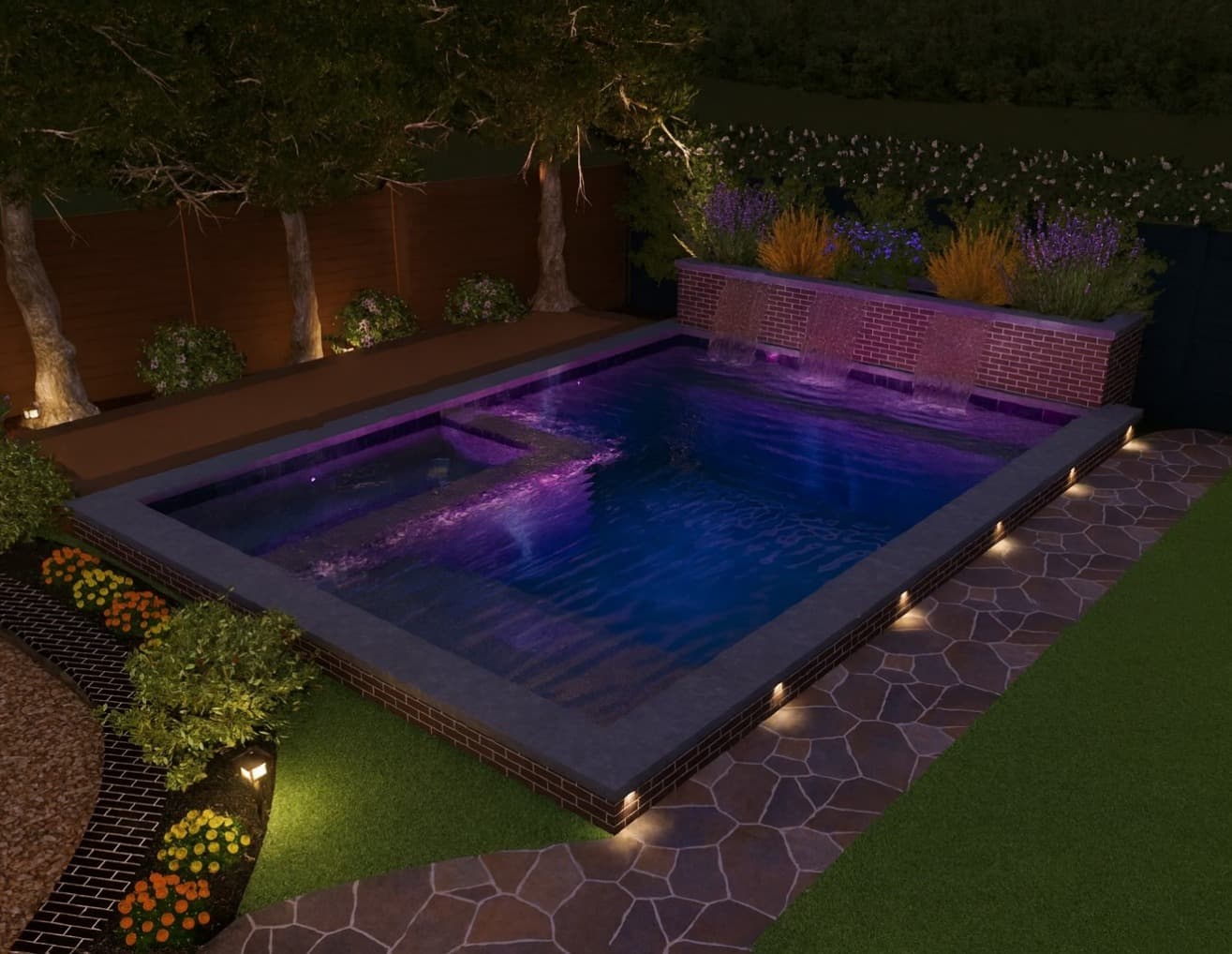
For an HOA board or property manager, October is more than the end of another swim season. It is a useful point to review what worked, document pool conditions, and decide what should be ready before the next season begins. A defined process can make HOA pool construction or renovation easier to budget, compare, and communicate—without assuming every community has the same needs or schedule.
This guide is for associations and commercial property teams considering a pool, spa, or splash pad project in Metro Atlanta. It focuses on the decisions to make early: what to inspect, how to set a scope, who should confirm applicable requirements, and how to plan the work around residents and facility operations.
Start With an October Condition Review
Gather maintenance records, repair history, resident feedback, prior proposals, and any available facility plans. Walk the pool and surrounding areas with the people responsible for operations. Note visible concerns and questions about surfaces, circulation equipment, deck drainage, access, fencing, lighting, furniture, signage, and the route between amenities.
This first review is not a substitute for a professional assessment. It helps the board distinguish urgent issues from desired upgrades and gives a designer or contractor useful context. Photograph areas of concern and record what is known versus what still needs inspection.
Define the Project Before Requesting Bids
A request that simply says “upgrade the pool” can produce proposals that describe different work. Before approaching a commercial pool builder in Atlanta, write down the existing conditions, desired outcome, facility constraints, and work the board wants priced. Ask contractors to respond to the same base scope and clearly identify recommendations that are optional.
A useful scope may address the pool structure and finish, circulation and filtration equipment, deck and drainage, lighting, access, barriers, signage, equipment spaces, demolition, startup, and closeout documentation. The actual scope depends on the facility and should be confirmed by qualified project professionals.
Consider Spas and Splash Pads as Separate Design Decisions
A community amenity plan may include a spa, a children’s water-play area, or both. A spa pool installation in Atlanta can introduce different heating, controls, circulation, maintenance, and operating considerations than a standard pool. A splash pad installation in Atlanta may require its own layout, water management, equipment, access, and operational planning.
Decide whether these features belong in the current construction package or a later phase. Ask the design team to explain how each option affects site circulation, utilities, maintenance responsibilities, capital costs, and any reviews that may apply. A phased plan can help a community compare priorities without leaving important connections unresolved.
Confirm Applicable Georgia and Local Requirements
Facility classification matters. Georgia’s Department of Public Health regulates public swimming pools under its applicable rules, but an HOA or commercial property should not assume how its specific amenity is classified. Confirm requirements with the relevant authorities before completing design documents or setting a construction schedule.
Use the Georgia Department of Public Health swimming pool resources as a starting point, then verify the current requirements for the facility and proposed work. The CDC’s Model Aquatic Health Code is another useful public-health resource; it is guidance and does not replace applicable state or local requirements.
Build a Schedule Around the Community Calendar
For commercial pool construction in Atlanta, the calendar must account for more than the construction crew. Review board approval dates, funding, resident events, facility access, design decisions, permitting, inspections, contractor availability, and material selections. Ask for a sequence of major milestones and the conditions that could change it.
Do not announce a firm reopening date until the project team has confirmed the schedule and the approvals needed for operation. Weather, concealed conditions, inspections, and supply availability may affect a project. A realistic range and regular updates are more useful to residents than a date based on assumptions.
Compare Proposals on the Same Terms
When reviewing proposals from teams offering commercial pool construction in Atlanta, compare the work included—not only the total. Ask for clear descriptions of materials and equipment, demolition and disposal, permits, inspections, site restoration, startup, exclusions, allowances, warranty, payment milestones, and change-order procedures.
- Are all bidders pricing the same pool or amenity scope?
- Who is responsible for permits, inspections, and coordination?
- What site conditions or selections could change the price or schedule?
- What documents, operating guidance, and warranties are included at closeout?
- How will residents receive updates during the closure?
A qualified commercial pool builder in Atlanta should be able to explain what is known, what remains subject to review, and how the team will keep the board informed. Ask every bidder to call out scope differences so the board can make an apples-to-apples comparison.
Coordinate the Pool With the Rest of the Property
Paths, seating, shade, landscape, lighting, and connections to other shared spaces influence the experience of a community pool. If the project includes a larger outdoor living area, clarify how those improvements fit with pool operations, circulation, maintenance access, and the construction sequence. An outdoor living contractor in Atlanta or design-build team should identify which elements are coordinated and which are outside the pool contract.
For examples of how aquatic and outdoor spaces can work together, review our commercial pool services and splash pad projects. Use those examples as inspiration, then develop a scope around the actual property, users, and operating needs.
Use October to Set Up the Next Step
A community project does not need every detail solved in its first meeting. It does benefit from a documented condition review, clear priorities, comparable proposals, early authority coordination, and a communication plan residents can trust. October is a practical time to start that work while the board can still shape the project scope and evaluate options.
White Glove Construction works with property teams on commercial aquatic and outdoor projects across Metro Atlanta. Contact our team to discuss a community pool, spa, or splash pad project.